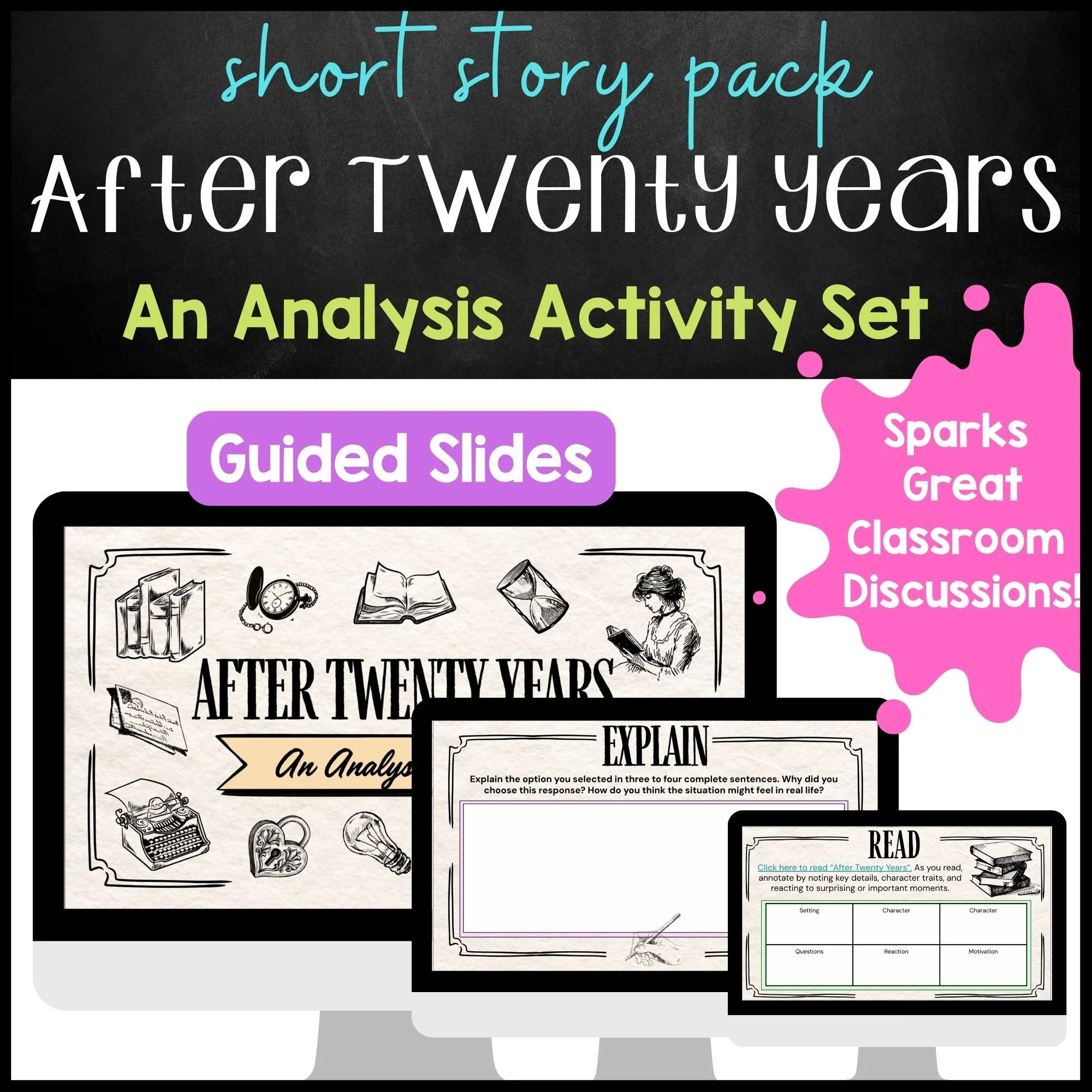
A Meaningful Way to Teach "After Twenty Years" by O. Henry
Some short stories naturally invite reflection.
After Twenty Years by O. Henry is one of them.
On the surface, it’s about two friends who promise to meet again after twenty years. But underneath, it asks much bigger questions about loyalty, identity, change, and what happens when time reshapes people in unexpected ways.
That’s why this story works so well with middle school students, especially during moments of transition like the beginning of a new year, a mid-year reset, or the end of the school year.
The key is how you frame it.
Start with a scenario students can’t ignore
Before reading the story, I like to open with a simple but powerful journal scenario:
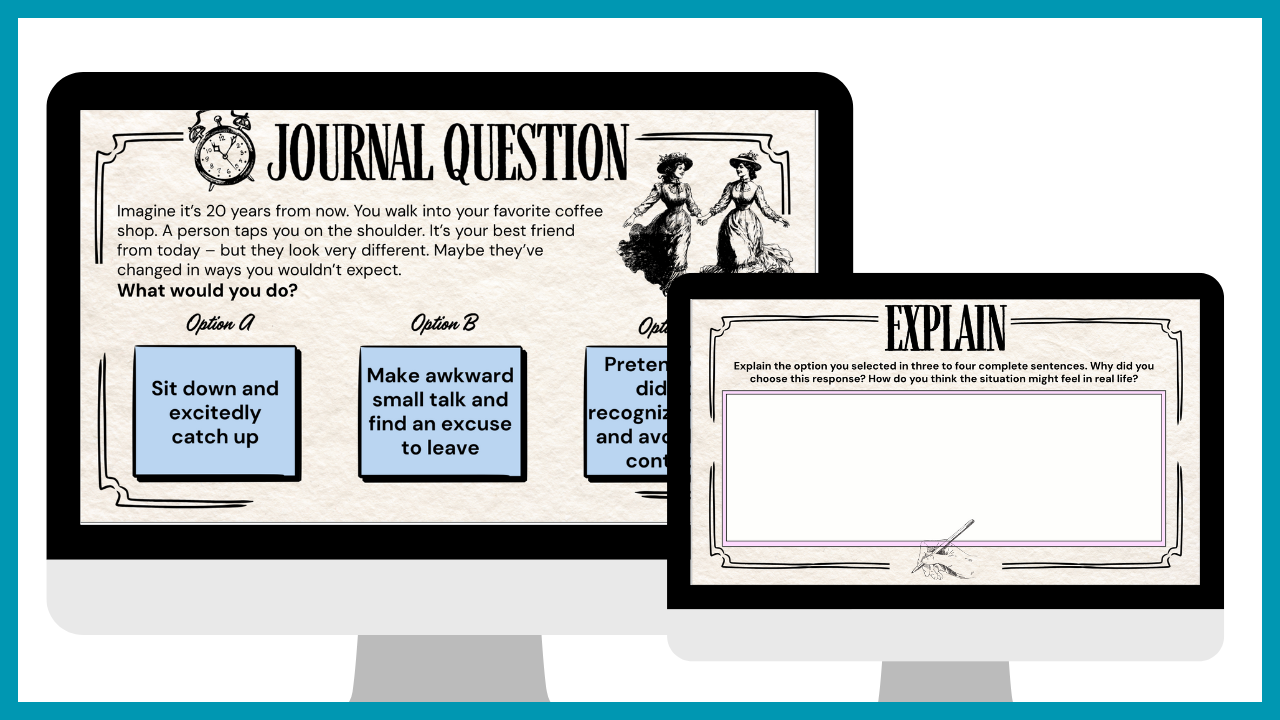
Imagine it’s 20 years from now. You walk into your favorite coffee shop. Someone taps you on the shoulder. It’s your best friend from today, but they’ve changed in ways you didn’t expect. What do you do?
Students choose between three options:
Sit down and catch up excitedly
Make awkward small talk and find a reason to leave
Pretend they didn’t recognize the person and avoid eye contact
This instantly hooks them. The situation feels real, a little uncomfortable, and surprisingly personal.
After students choose, I have them move to different areas of the room based on their answer and explain their thinking with classmates. The conversations are honest, sometimes funny, and often deeper than expected.
Only after that discussion do students respond to the journal prompt independently.
By the time we transition to the story, they’re already thinking about time, change, and how relationships evolve.
Read with intention
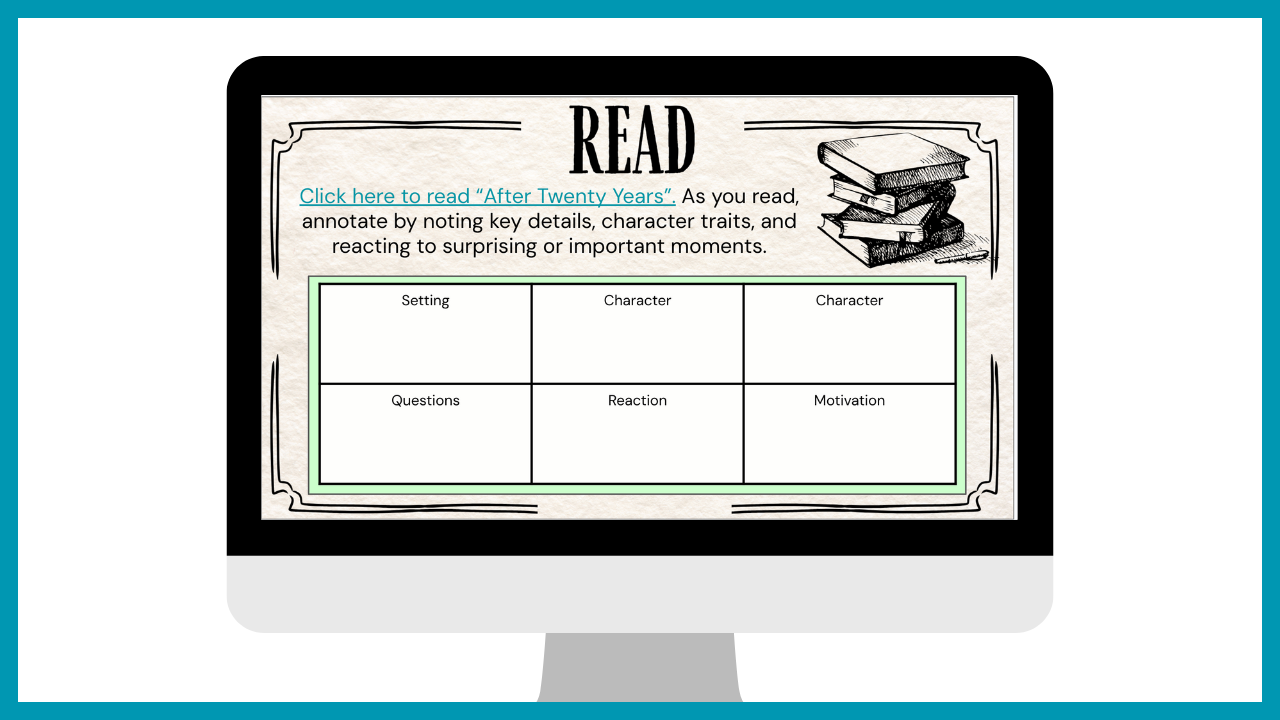
When students read After Twenty Years, I encourage active reading through focused annotations rather than overwhelming them with too many directions.
Students annotate for things like:
✍️ The setting and its significance
✍️ Character traits and changes
✍️ Questions or reactions as events unfold
✍️ Character motivations
These annotations help students slow down and notice how the story builds meaning without turning reading into a chore.
Check understanding and push thinking
After reading, students respond to a mix of questions that include:
Basic Comprehension Questions
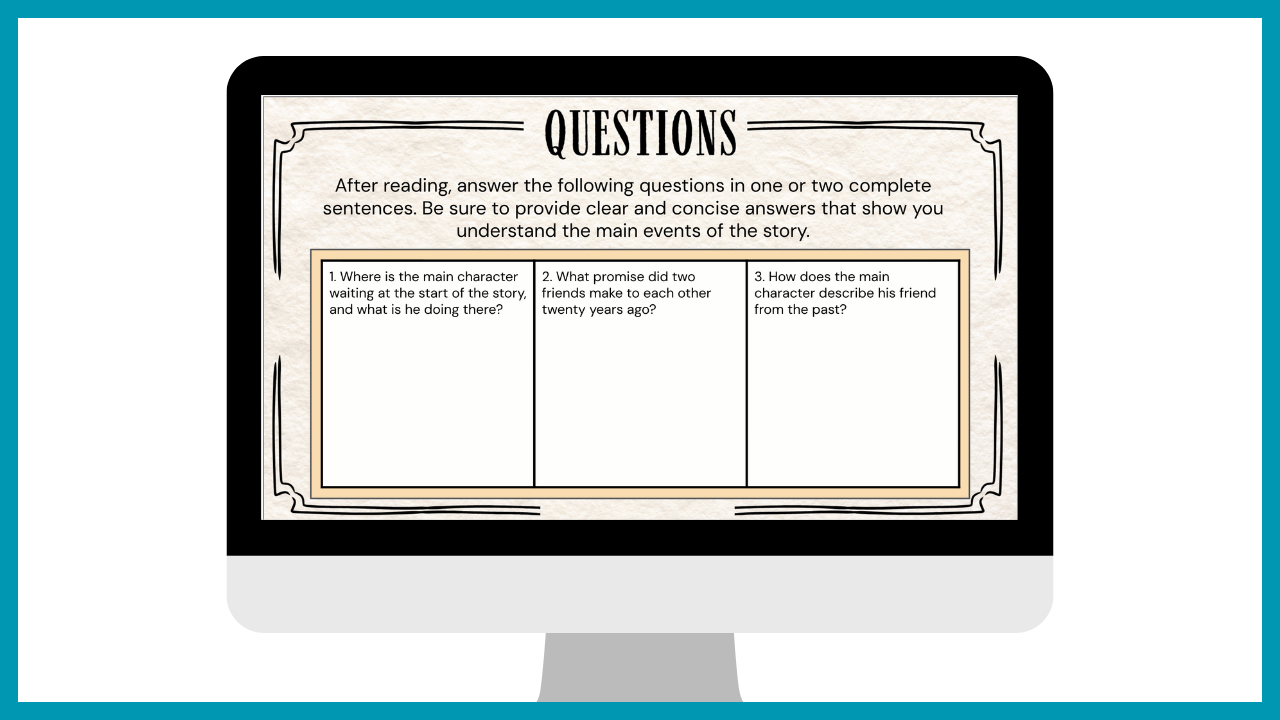
Example: What promise did two friends make to each other twenty years ago?
Standards-Based Questions
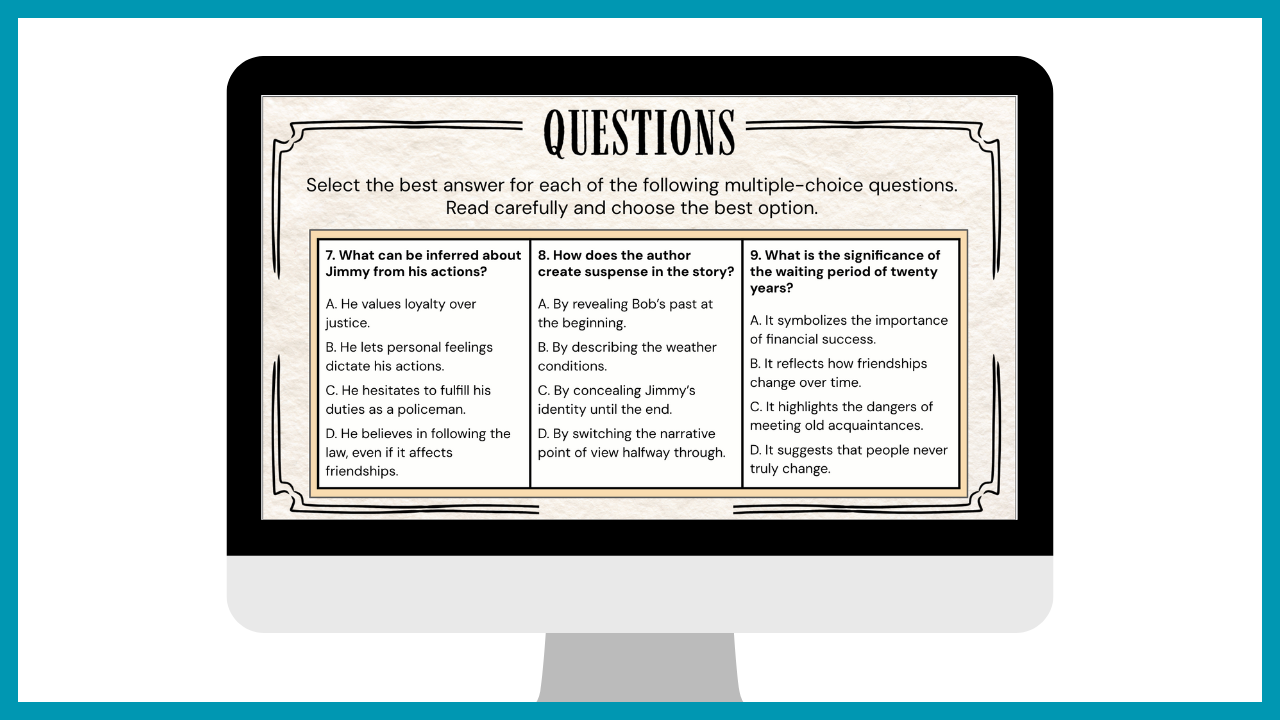
Example: What can be inferred about Jimmy from his actions?
Open-End Literary Analysis
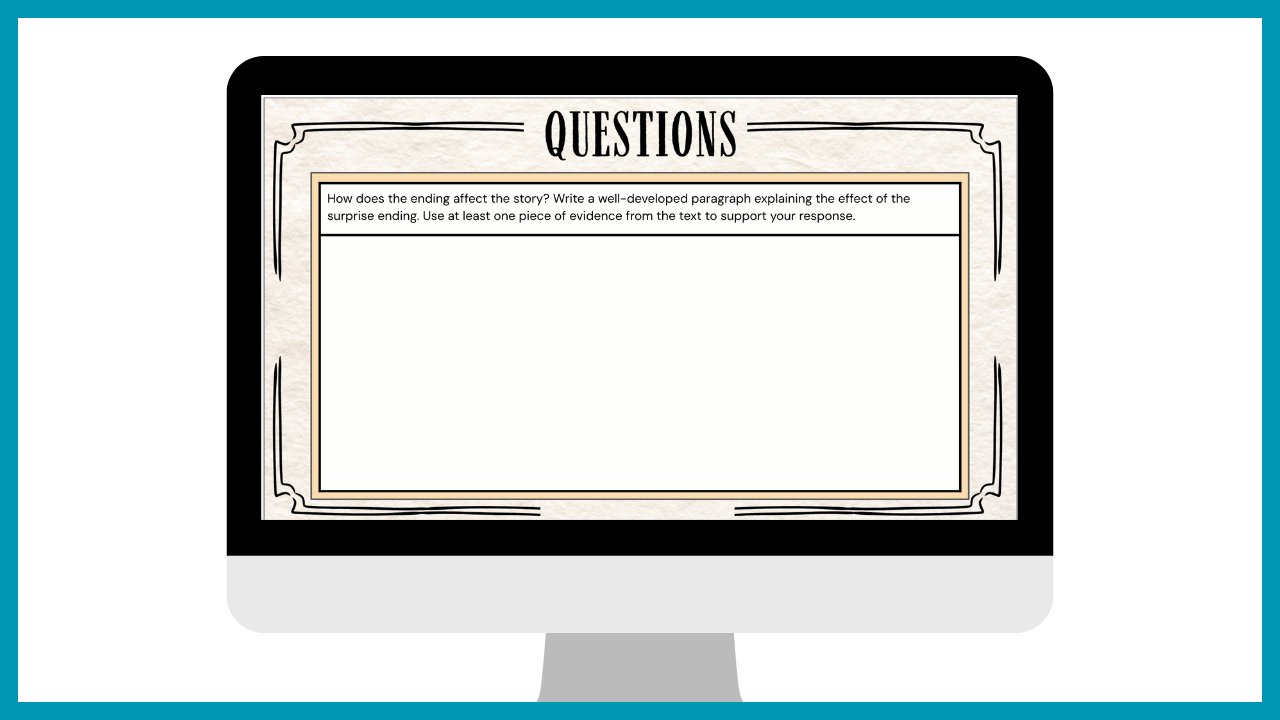
Example: How does the ending affect the story?
End with reflection that actually matters
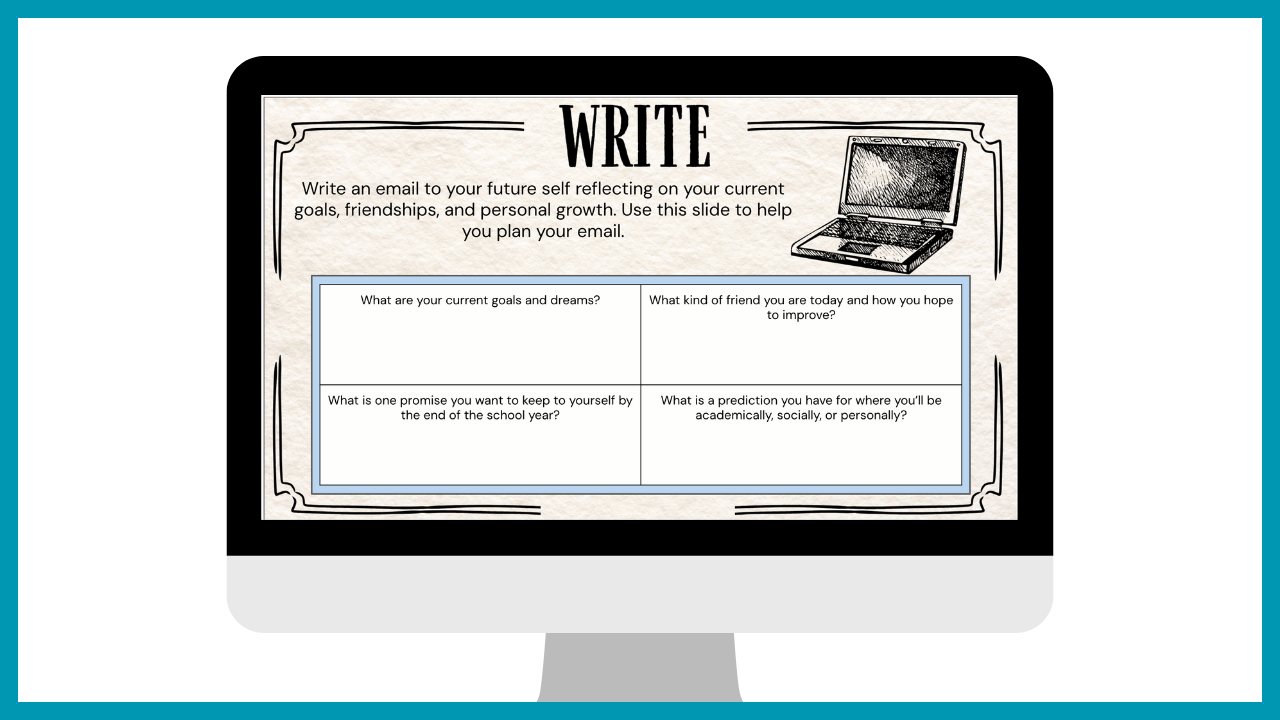
One of my favorite parts of this lesson is the writing activity that comes at the end.
Students write an email or letter to their future selves reflecting on:
Their current friendships
Their goals
How they hope to grow as a person
If technology allows, students schedule the email to be sent to themselves at the end of the school year. If not, they write a physical letter that you can hold onto and return later.
This ties the themes of the story directly back to their own lives and reinforces the idea that time changes people in meaningful ways.

If you’d like this lesson ready to go
If you’d like this lesson fully built and ready to use, I’ve created a complete After Twenty Years activity set with:
✅ Guided slides
✅ Annotation support
✅ Comprehension and analysis questions
✅ A reflective writing activity
✅ Multiple formats for flexibility
Here are a couple of ways teachers usually access this lesson
Option One: ELA Unlimited
If you’re looking for ongoing access to lessons like this throughout the year, the full lesson is available inside ELA Unlimited, where I keep all of my classroom-ready resources organized and easy to access.

Option Two: Teachers Pay Teachers
If you prefer to purchase this lesson as a stand-alone resource, it’s also available on Teachers Pay Teachers.