I’m looking for ideas for my middle school classroom!
Check out these posts! 👇
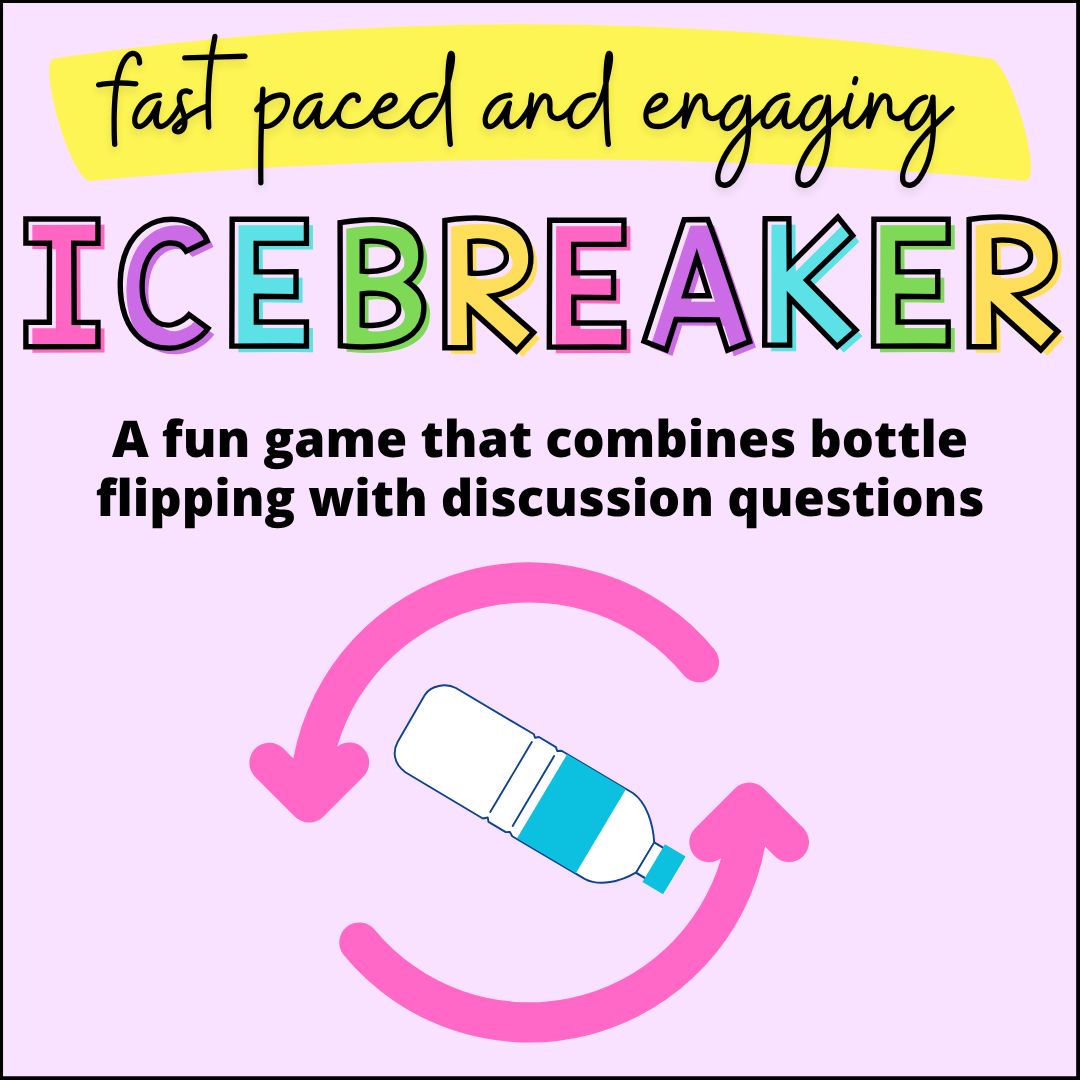
This is the last day of the building relationships series, and I saved my most popular resource for the finale.
This one started with a summer of watching entirely too much Dude Perfect with my family.
If you know, you know.
Hours of trick shots, bottle flips, and that ridiculous positive energy they bring to everything they do. Somewhere around the millionth bottle flip video, I thought, my students would LOVE this. There has to be a way to turn this into a game.
So the Bottle Flip Ice Breaker was born.
It's a fast paced partner game where students flip water bottles, Dude Perfect style, while asking each other fun, get to know you questions.
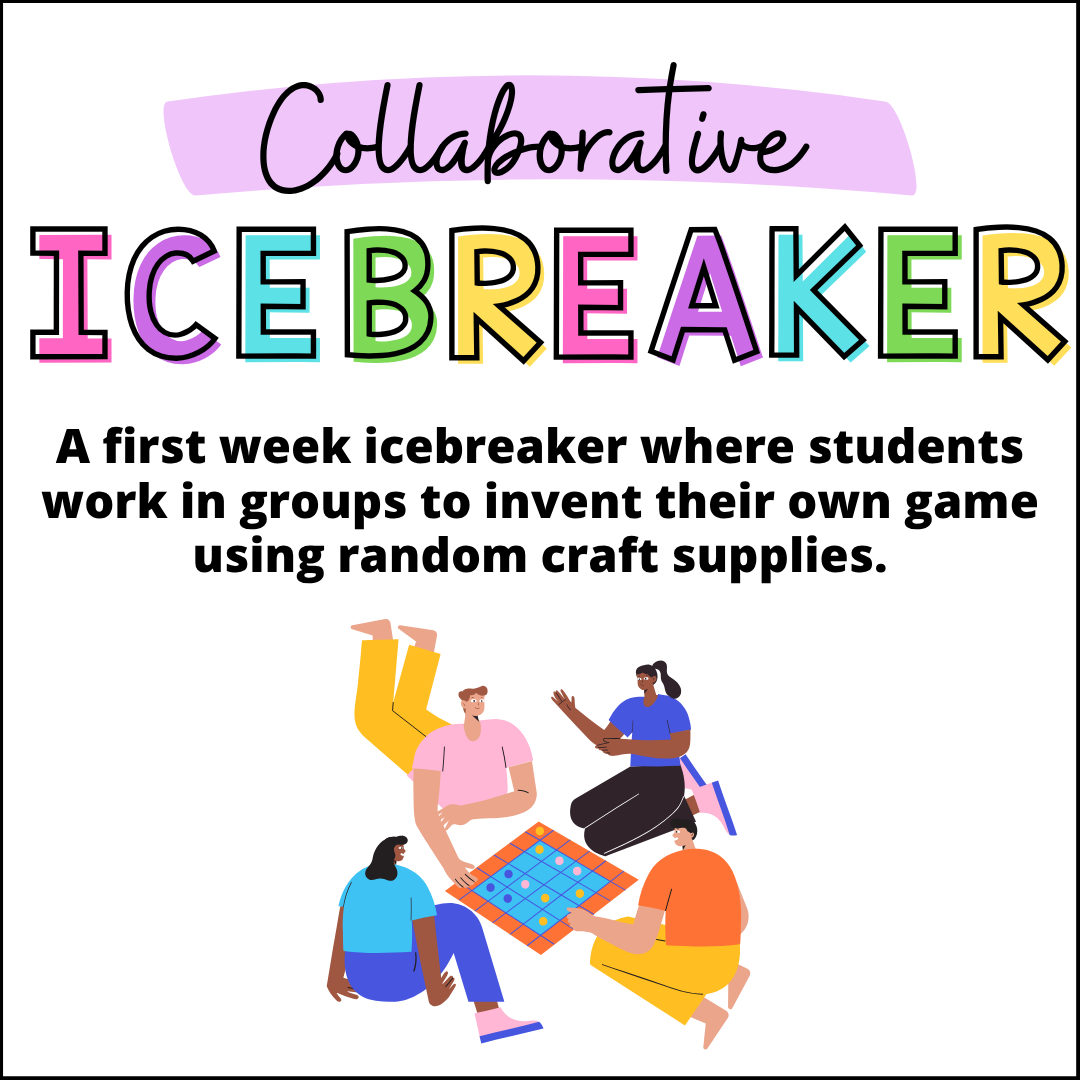
Twenty strangers, one room, and a container of random craft supplies.
That was the setup at a PD session that taught me one of my favorite first week activities almost by accident.
Game Craft takes small groups, hands them paper plates, cotton balls, popsicle sticks, and a mystery bag, and gives them one job: invent a game together.
What happens next is real collaboration, real laughter, and real relationships, built in under ten minutes. It works just as well on reluctant adults as it does on skeptical middle schoolers.
Here's exactly how to run it in your own classroom, plus the free slides to make it happen tomorrow.
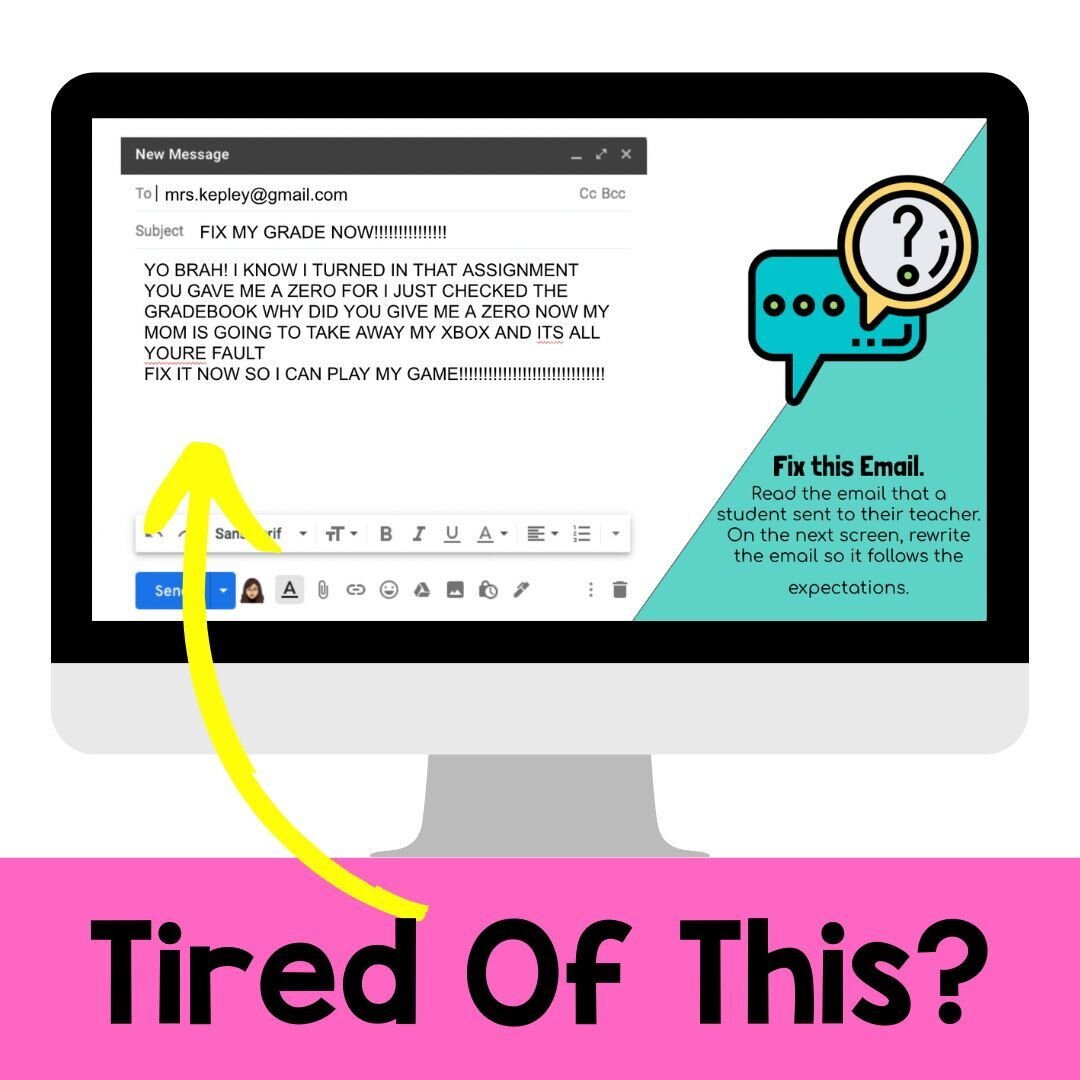
I sometimes miss the days when I didn't have to monitor kids for sneaking in a game or using AI to write their essays.
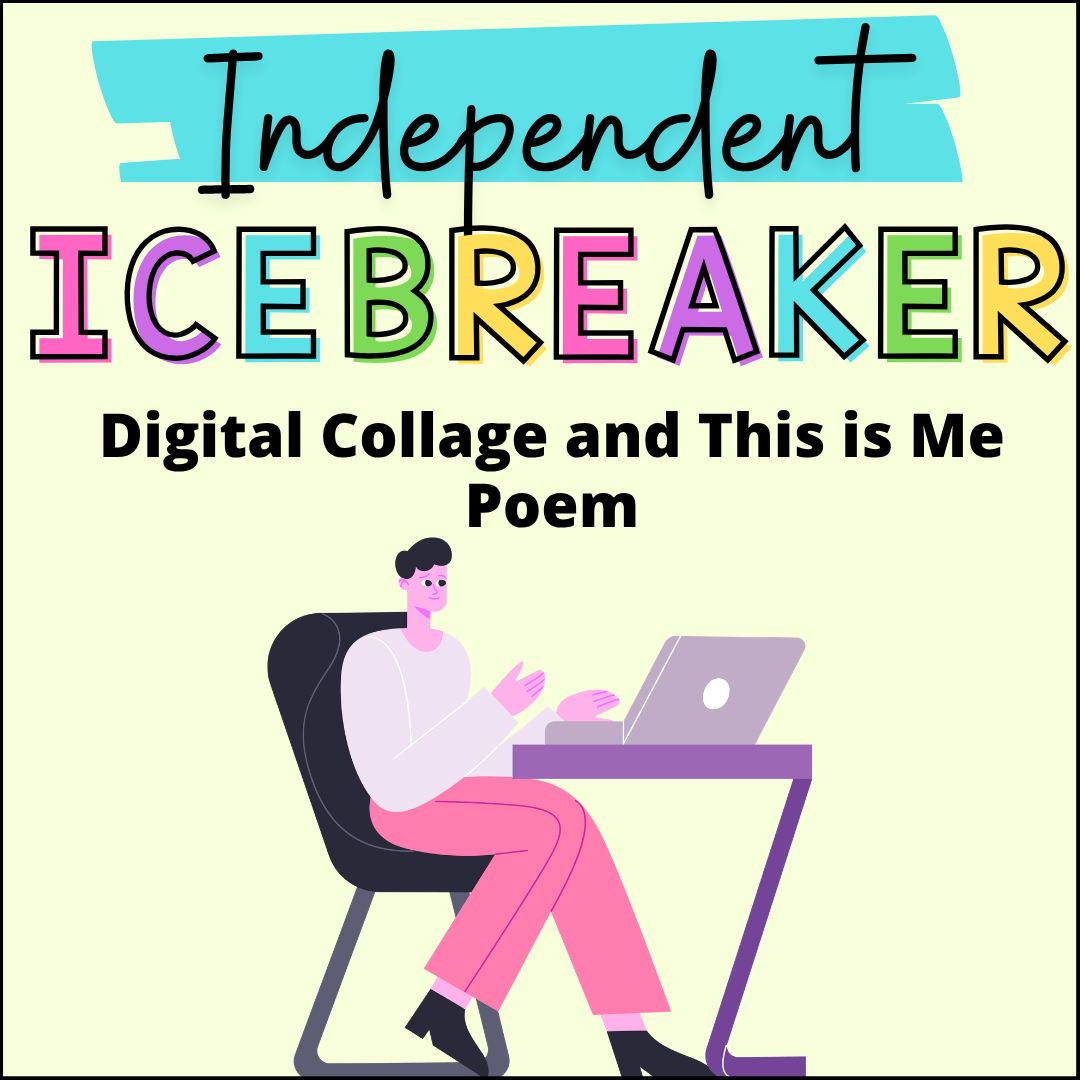
But there are a few things technology genuinely made better. My This is Me poem and collage activity is one of them.
Here's how you can build your own version of this great getting-to-know-you activity, step by step:
Every educational guru will tell you it's important to build relationships with your students and create a classroom where kids feel safe talking to each other.
And as boots on the ground educators, we agree.
The hard part is finding activities that are actually meaningful and engaging.
And not cringe.
Especially in middle school.
This week, I'm sharing four things you can do with your middle schoolers that actually work.
No trust falls. And no "two truths and a lie" that somehow always ends with someone's truth being about their pet's death.
First up: Alpha Biographies
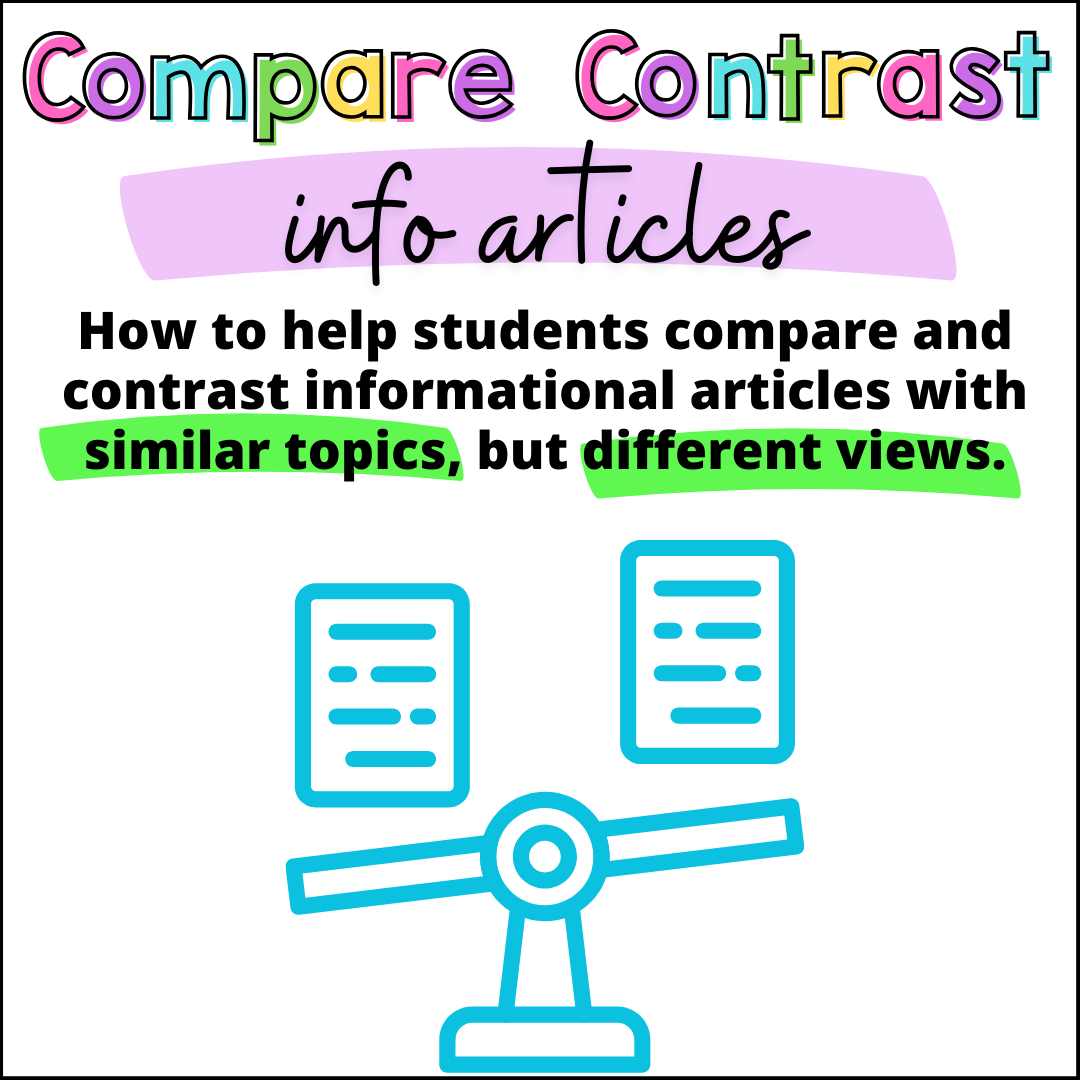
Compare and contrast is one of those skills that looks simple — until you get back a Venn diagram with three words per circle. Same News, Different Views is a paired text activity for grades 6–8 that gives students two perspectives on the same topic and challenges them to analyze, compare, and think critically. The best part? Instead of answering multiple choice questions, students write their own. Here's how it works.
Teaching text structure goes beyond identifying signal words in short passages. To truly understand how informational texts work, students need opportunities to think like authors and make decisions about how information is organized. In this post, I share a step-by-step activity that helps students move from identifying text structure to writing their own informational paragraphs with support and purpose.
Once students can identify text structure in short passages, the next challenge is helping them apply the skill to longer texts. Text structure stations are an effective way to move from quick practice to real application. In this post, I share exactly how I set up text structure stations, group students, choose articles, and guide students through the process so the focus stays on meaningful thinking instead of guessing.
Teaching text structure in middle school works best when students understand why authors organize information the way they do. Before diving into practice or analysis, I always start with a foundation lesson that helps students think like authors.
In this post, I share how I introduce text structure, connect it to real-life thinking students already do, and use engaging practice to make the concept stick.
When my students scored an average of 30% on questions asking how individuals, events, and ideas interact in informational texts, I knew something had to change. They understood basic cause and effect, but they struggled to explain the relationships within a text — who influenced what, how events shaped ideas, and why one moment led to another.
So I built a simple, step-by-step mini lesson that shows students exactly how to track connections while reading.
The change section of a personal narrative isn’t about explaining the lesson—it’s about showing how a moment actually mattered. In this post, I walk through how I teach students to write meaningful change sections using mentor texts and clear, manageable steps.
When students write personal narratives, the challenge section is often rushed or summarized even though it’s the most important part of the story. In this post, I share how I teach students to slow down the challenge, stay inside the moment, and “show their work” using mentor texts and clear writing structure.
Daily Inspiration, Time Saving Strategies, and Motivation
A View Inside Room 22
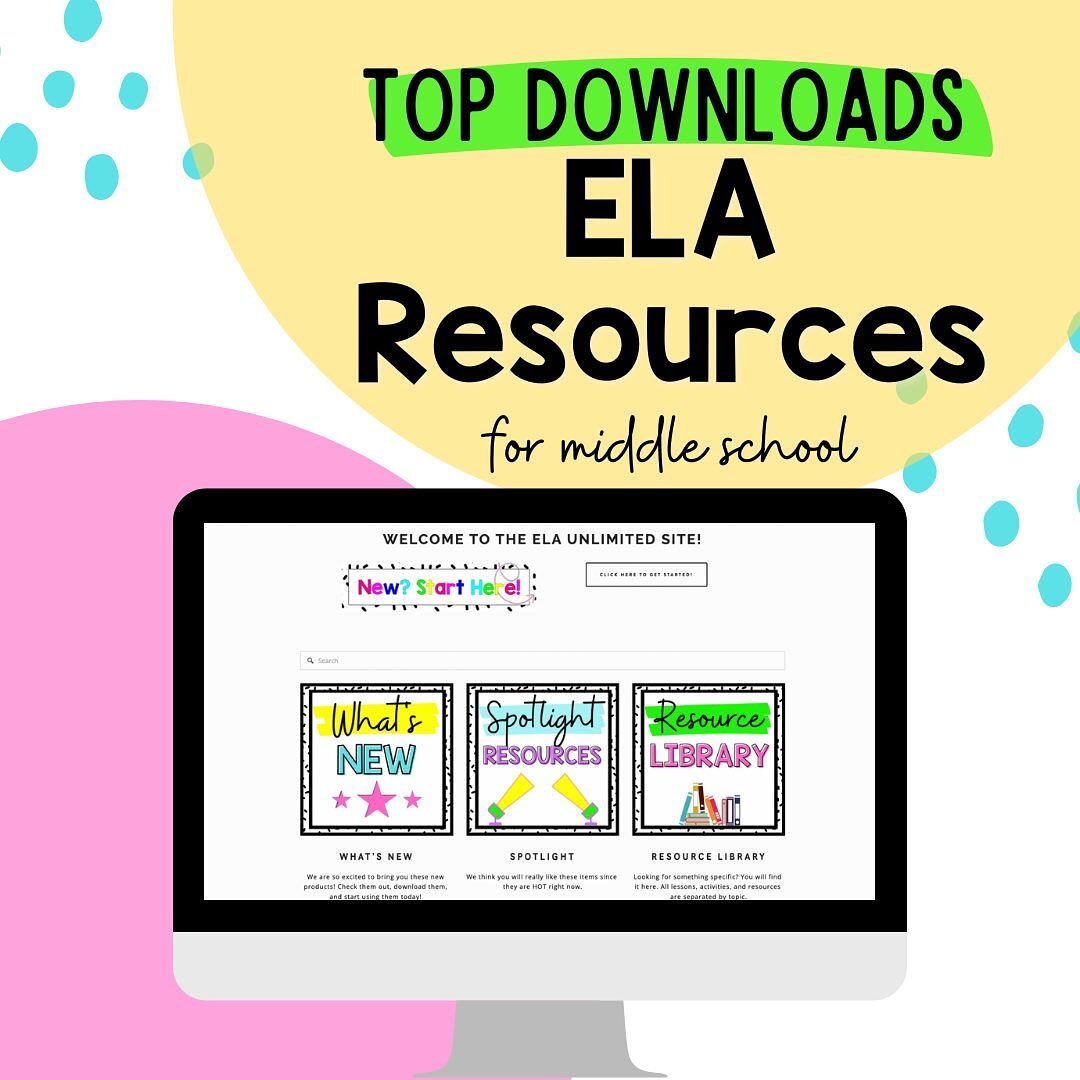
It’s time to
Reclaim Your TIme
Revising and editing are often the hardest parts of the writing process—for both students and teachers. By the time students reach the final period, they’re ready to be done, not go back.
In this post, I walk through how I teach revising and editing in a way that actually works for middle schoolers. You’ll see how I separate revising from editing, keep the process focused, and give students clear steps so they can improve their writing without feeling overwhelmed.